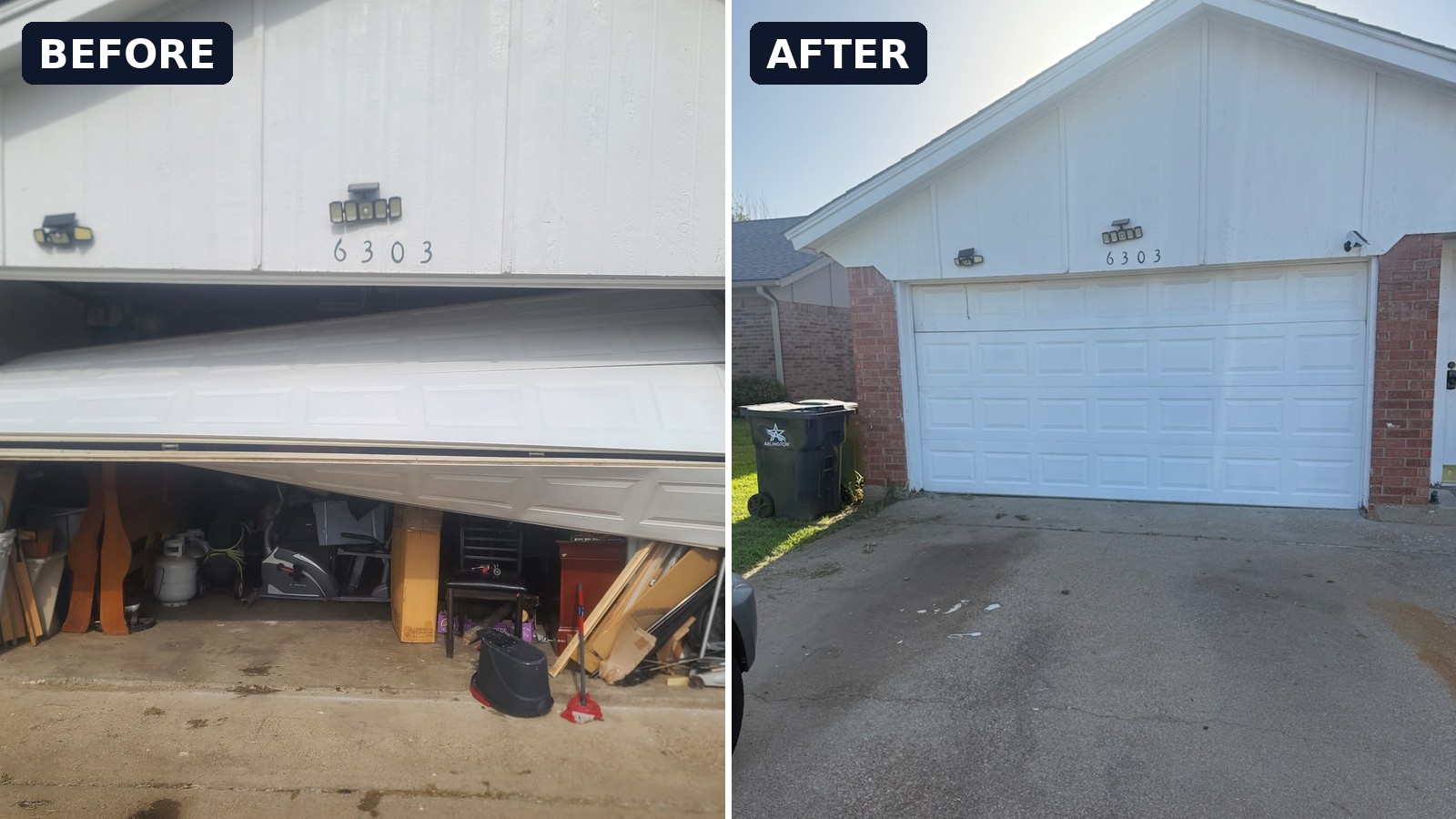
Garage Door Repair
- Full-system diagnosis, not a one-part guess
- Spring, opener, cable, roller, and track repair
- Safety check on every visit before we leave
- Same-day service on most repairs
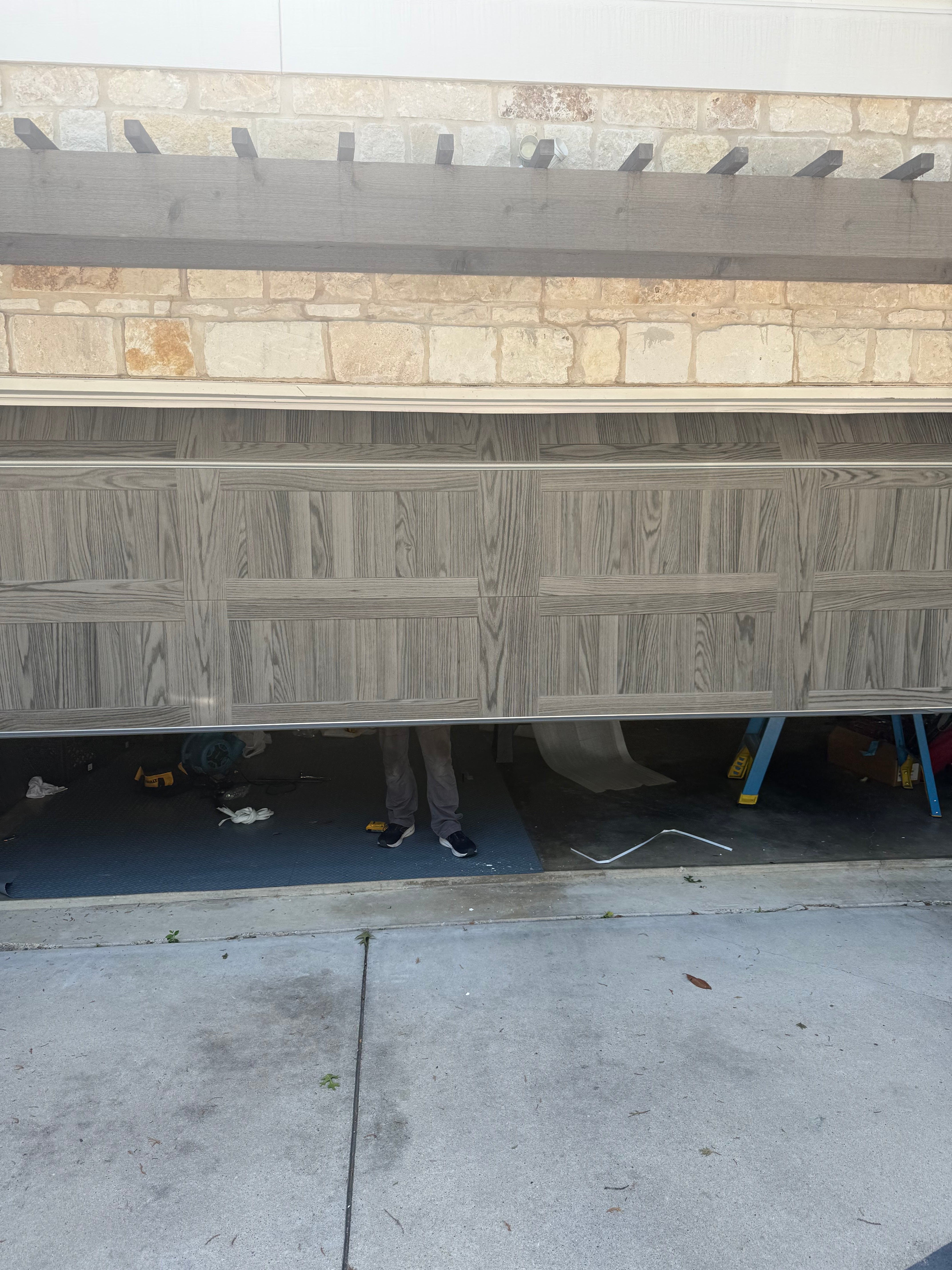
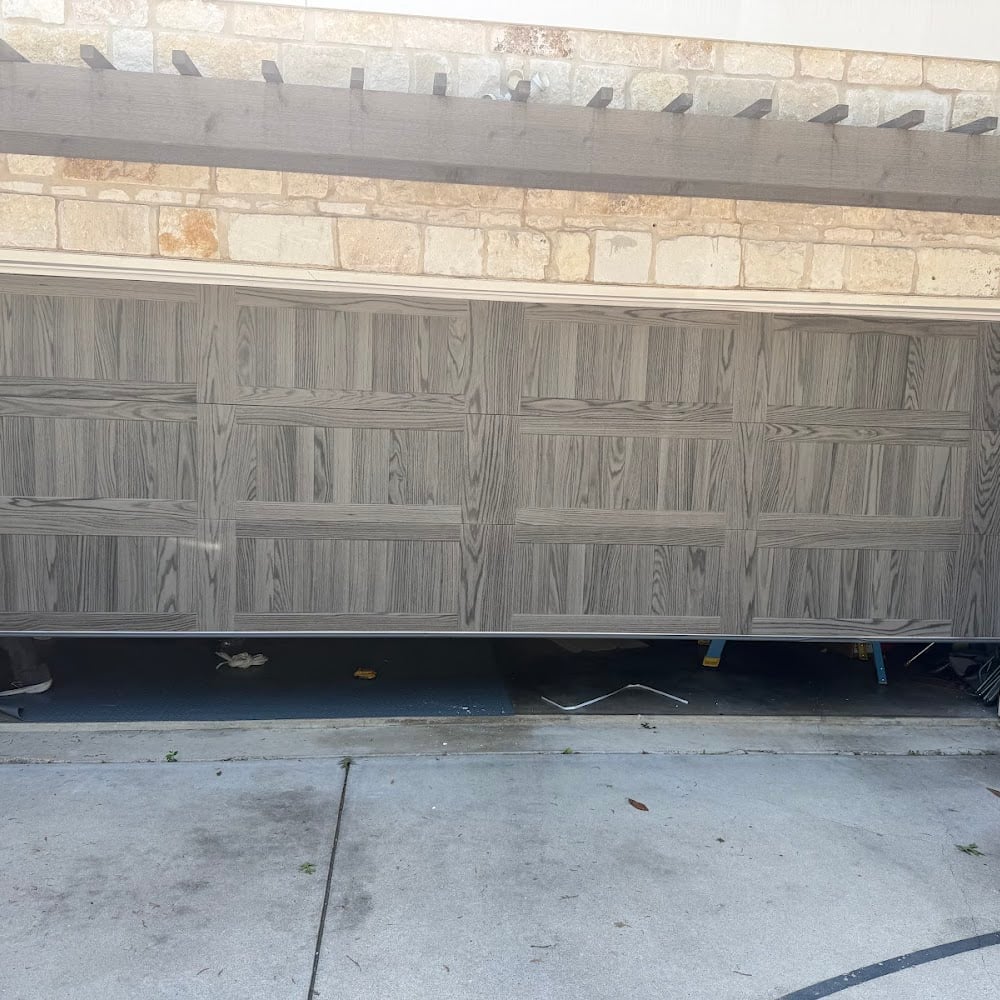
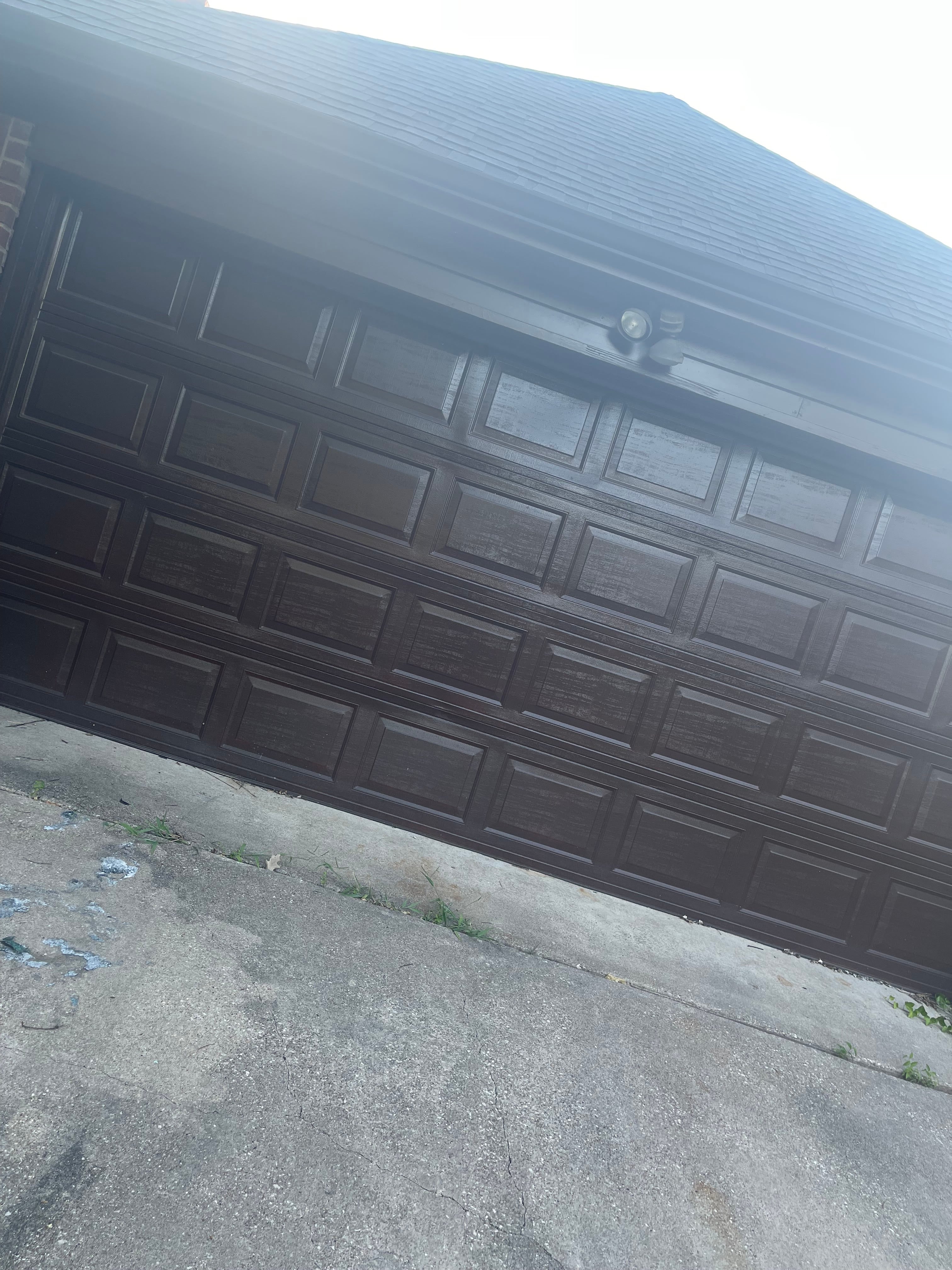
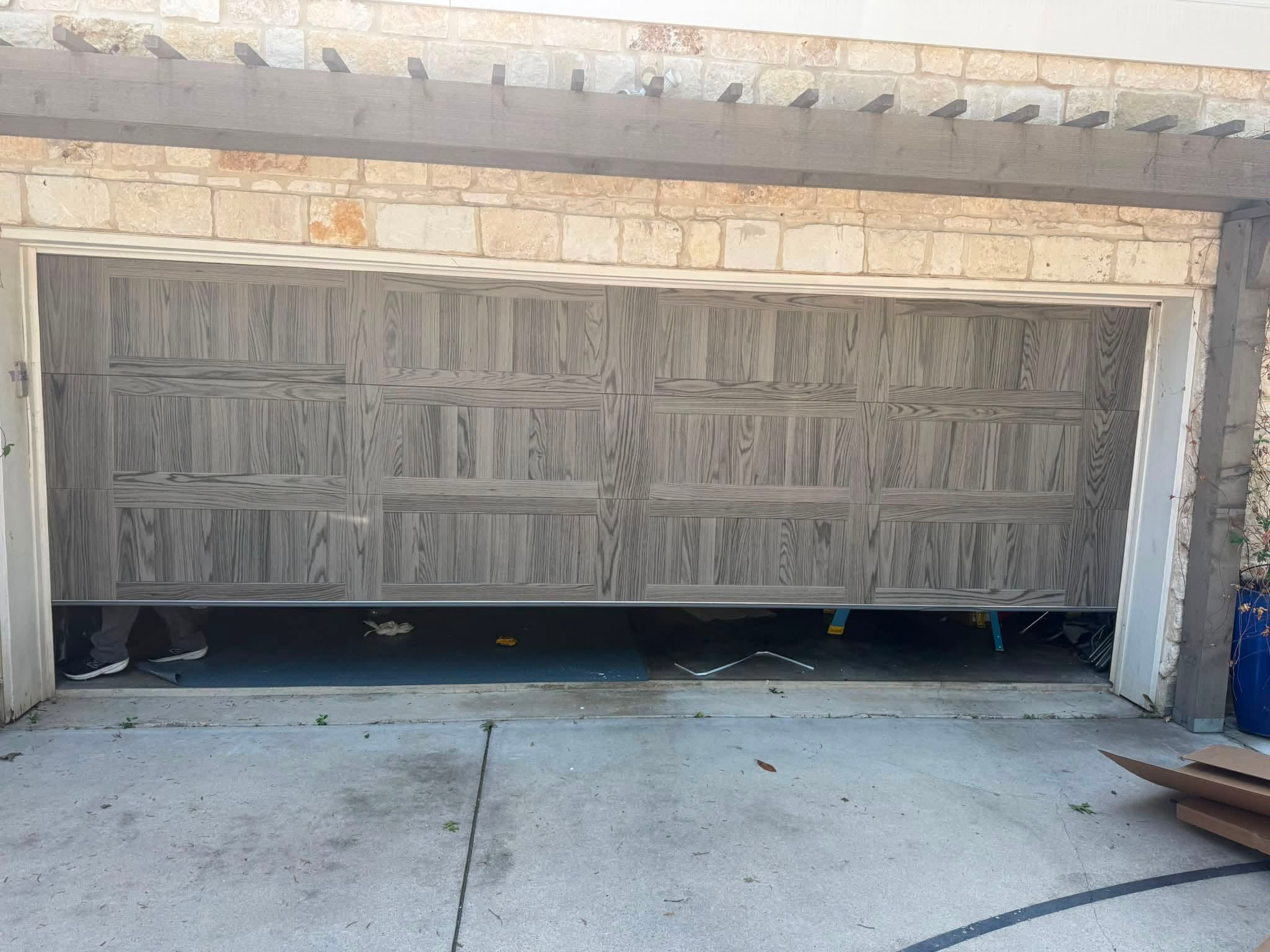
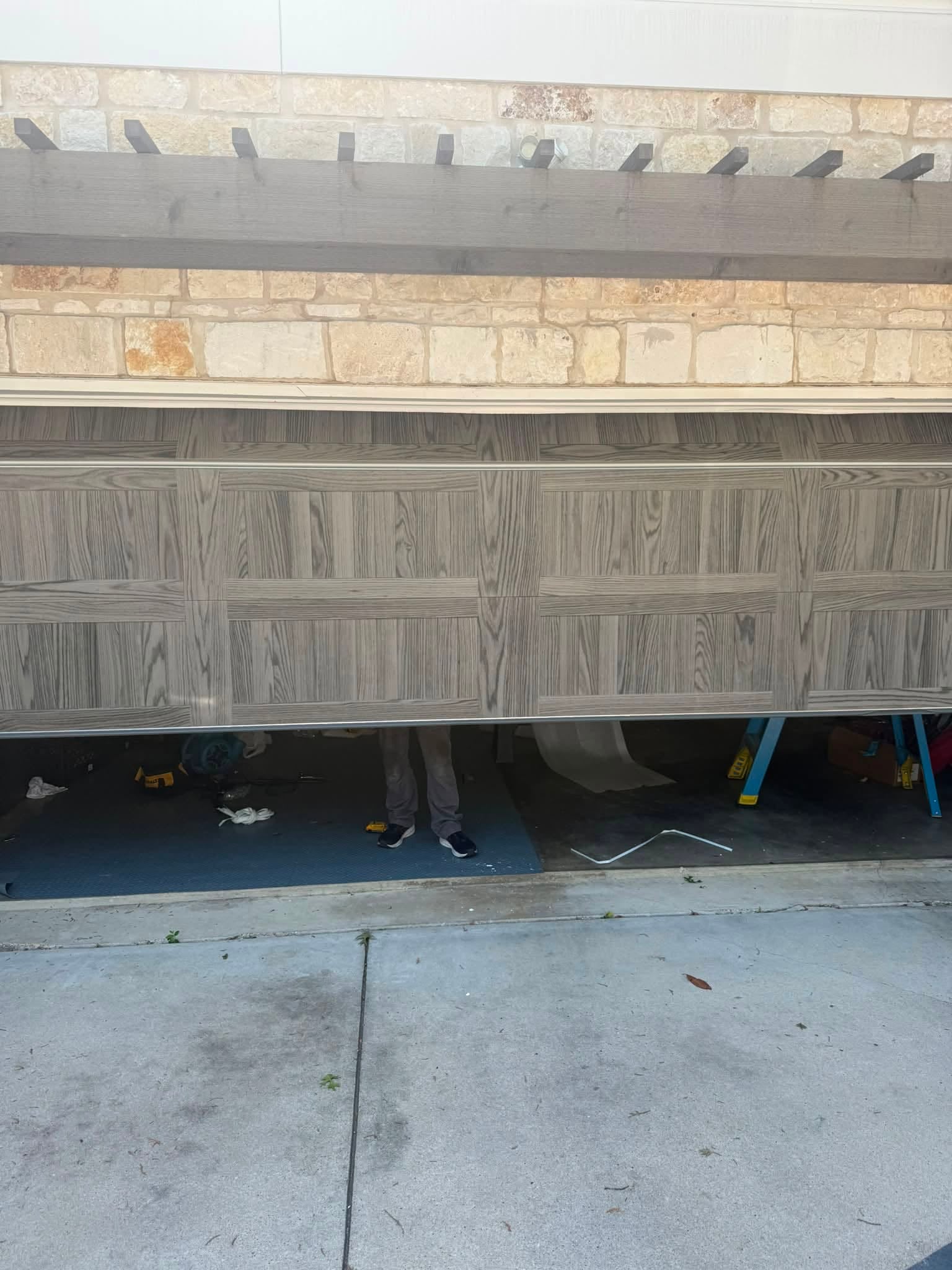
When a garage door quits, it's almost always one of a handful of parts — a snapped spring, a worn-out opener, a frayed cable, or rollers that have given out. We diagnose the whole system on the first visit instead of swapping one part and hoping, so you're not calling us back next week.
Here's what we actually fix, how we do it, and roughly how long each takes. If your door is stuck, off its track, or making a racket, call us — most of these are same-day.
“Nine times out of ten, a door that won't move is a broken spring or a bad opener — and both are same-day fixes.”
Broken & Worn Springs
60-90 minutesThe spring is what actually lifts the door — the opener just guides it. When a torsion or extension spring snaps, the door gets too heavy to move and the opener strains or gives up. We replace springs in pairs so you're not back in a month when the second one goes, and we size them to your door's weight and cycle count.
- Torsion and extension springs replaced in pairs
- High-cycle springs rated 25,000-30,000 cycles
- Cones, bearings, and shaft checked while we're in there
- Door balanced by hand so the opener isn't doing the spring's job
Openers — Repair & Installation
1-2 hoursMost opener problems come down to the logic board, drive gear, capacitor, or safety sensors — not the whole unit. We diagnose which it is before quoting a replacement. If the opener is worn out or you want quieter, stronger operation, we install new belt- or screw-drive units and set the travel and force limits the right way.
- Diagnosis of motor, logic board, drive gear, and sensors
- Failed components replaced with quality parts
- New belt- or screw-drive opener installation
- Travel, force limits, and safety reversal set to spec
Cables, Rollers, Tracks & Hardware
1-3 hoursThe parts that keep a door running smooth and quiet wear out too. Frayed cables are a safety issue — we replace both sides when one fails. Worn rollers make the grinding you hear; nylon rollers fix it and run quieter. We also straighten tracks, tighten hinges, and align the sensors so the whole door moves the way it should.
- Cable replacement — both sides when one fails
- Quiet nylon roller replacement
- Track straightening and alignment
- Hinges, brackets, and sensors tightened and aligned